The New Architecture of Global Defense Spending
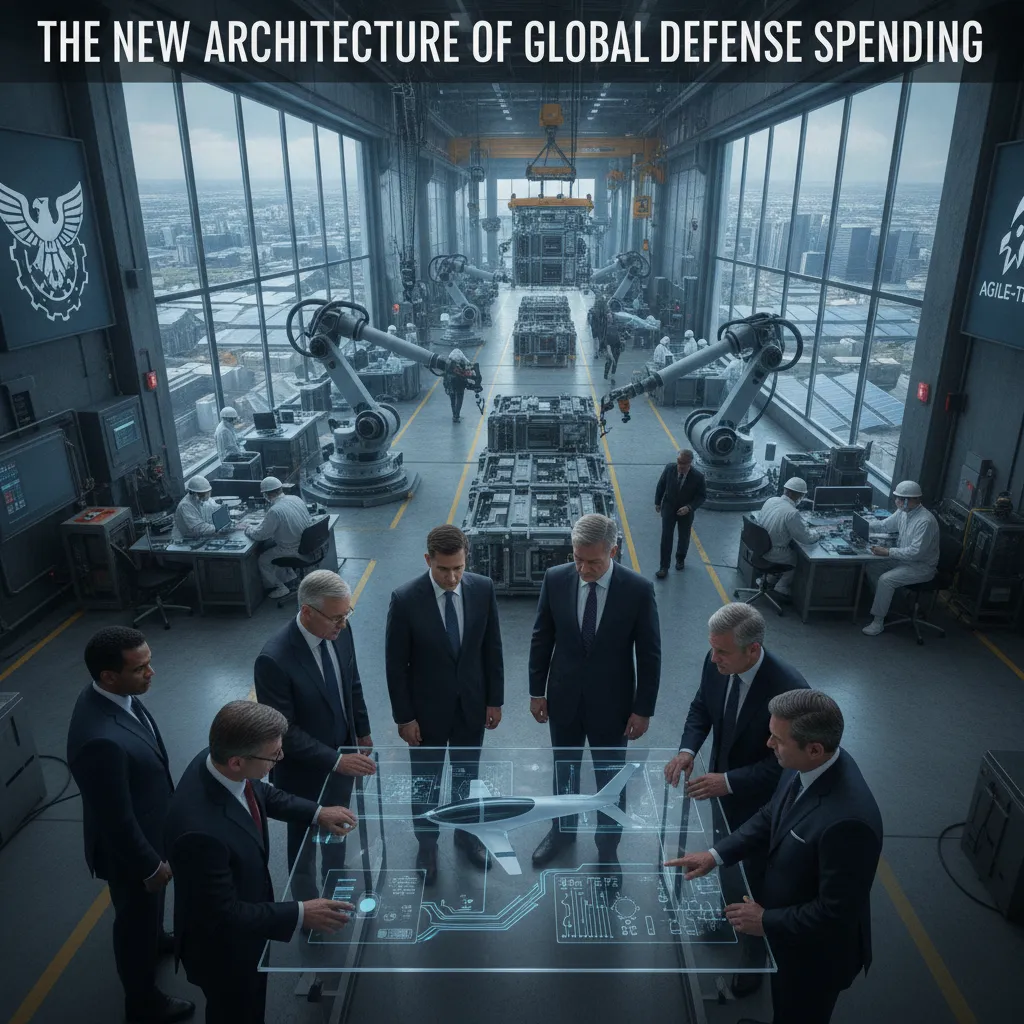
A profound shift is occurring in the way nations approach their safety and sovereignty, triggering what experts call a security supercycle. This movement goes far beyond traditional increases in military budgets, representing a fundamental restructuring of industrial policy driven by geopolitical tension and active conflicts worldwide. As the definition of national security expands, we are seeing a massive influx of capital moving toward both legacy defense contractors and agile tech startups, signaling a new era where strategic readiness is treated as a primary economic driver.
The nature of modern combat is rapidly evolving, particularly with the rise of low cost unmanned systems that have completely altered the economics of warfare. This transition has created a fertile ground for dual use technologies that serve both soldiers and civilians. For instance, innovations in drone telemetry used on the battlefield are now being applied to inspect critical urban infrastructure, while decentralized energy grids designed for military resilience are finding practical uses in domestic power stability.
As governments pivot toward long term resilience over short term efficiency, defense is becoming a central pillar of broader economic strategies. This environment creates a unique advantage for companies capable of providing scarce, high reliability services that states simply cannot afford to lose during a crisis. In this new landscape, investors are increasingly looking for those who can command a readiness premium, favoring firms that offer guaranteed capacity and structural stability regardless of shifting political winds.